

Pharmageek

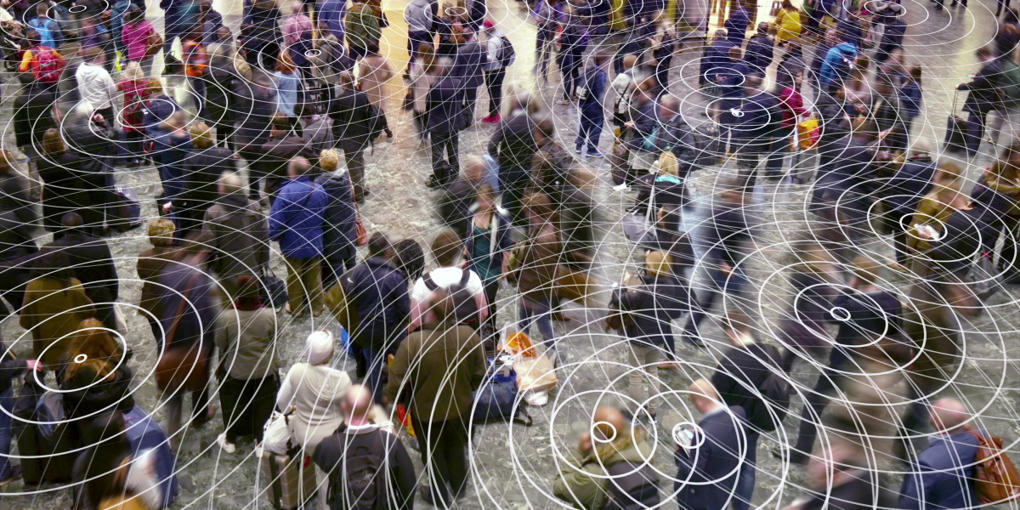
Our thoughts are private – or at least they were. New breakthroughs in neuroscience and artificial intelligence are changing that assumption, while at the same time inviting new questions around ethics, privacy, and the horizons of brain/computer interaction.
Research published last week from Queen Mary University in London describes an application of a deep neural network that can determine a person’s emotional state by analyzing wireless signals that are used like radar. In this research, participants in the study watched a video while radio signals were sent towards them and measured when they bounced back. Analysis of body movements revealed “hidden” information about an individual’s heart and breathing rates. From these findings, the algorithm can determine one of four basic emotion types: anger, sadness, joy, and pleasure. The researchers proposed this work could help with the management of health and wellbeing and be used to perform tasks like detecting depressive states.
Lire l'article complet sur : venturebeat.com
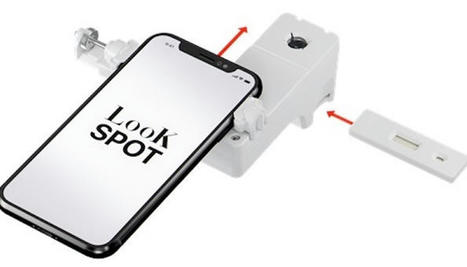
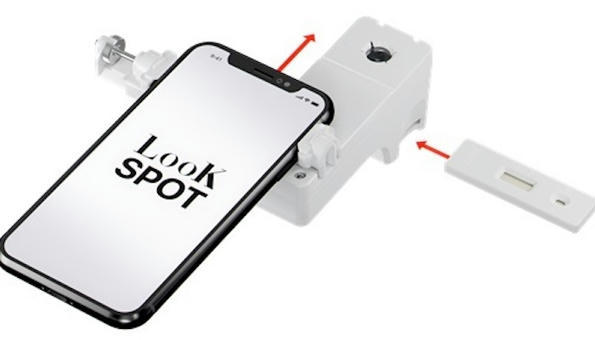
The smartphone-enabled LooK SPOT test scans for nucleocapsid protein from SARS-CoV-2 in nasal swabs, with results reportedly available in five to eight minutes.
Lire l'article complet sur : www.mobihealthnews.com


C’est une nouvelle étude à documenter le lien entre certains facteurs génétiques et la vulnérabilité à l’infection à SARS-CoV-2 et/ou la propension à développer, en cas d’infection, une forme sévère de la maladie COVID-19. Les chercheurs de la National Research University Higher School of Economics construisent ici, dans la revue Frontiers in Immunology, un score de risque génétique des formes sévères de la maladie.
Lire l'article complet sur : www.santelog.com
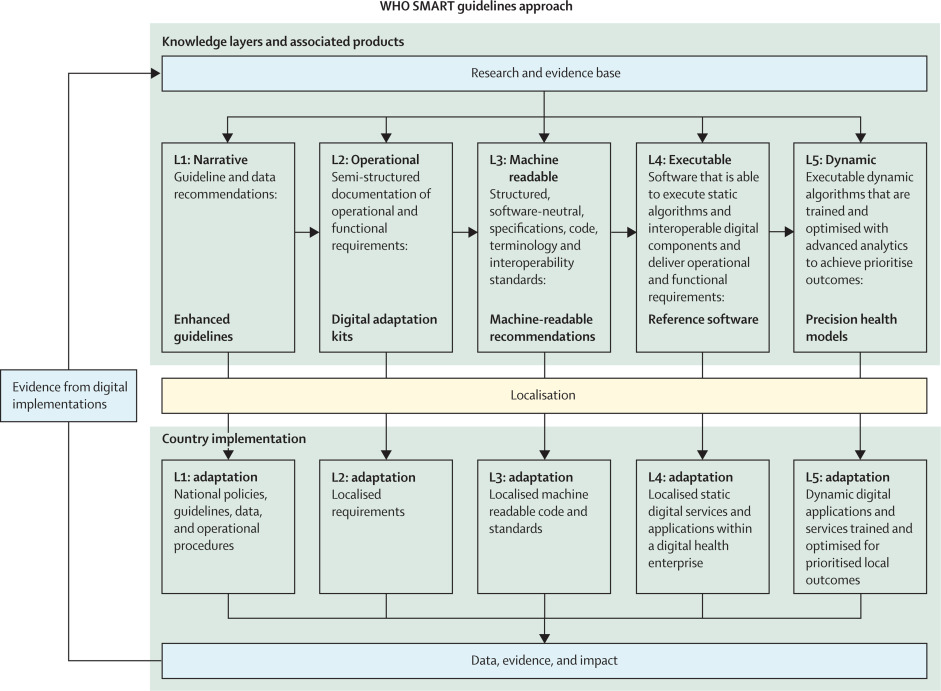
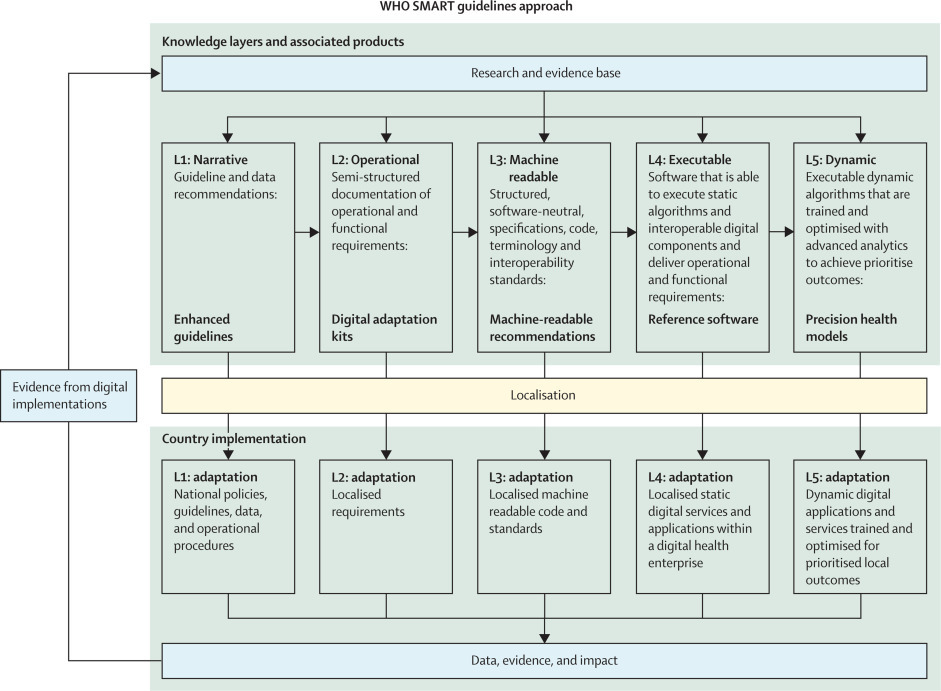
WHO publishes clinical, public health policy, and data recommendations to advise countries
on health interventions and evidence-based practices for improving the health of individuals
and populations. This includes recommendations on who provides health interventions,
how they are delivered, and accountability mechanisms. WHO produces international
standards for priority indicators, as well as for coding and reporting of data, that
include the Family of International Classifications, International Classification
of Diseases (ICD), the International Classification of Functioning, Disability and
Health, and the International Classification of Health Interventions.
Lire l'article complet sur : www.thelancet.com