

Pharmageek
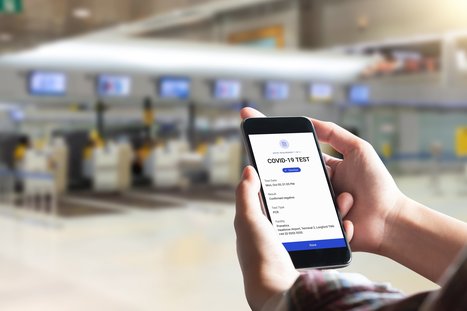
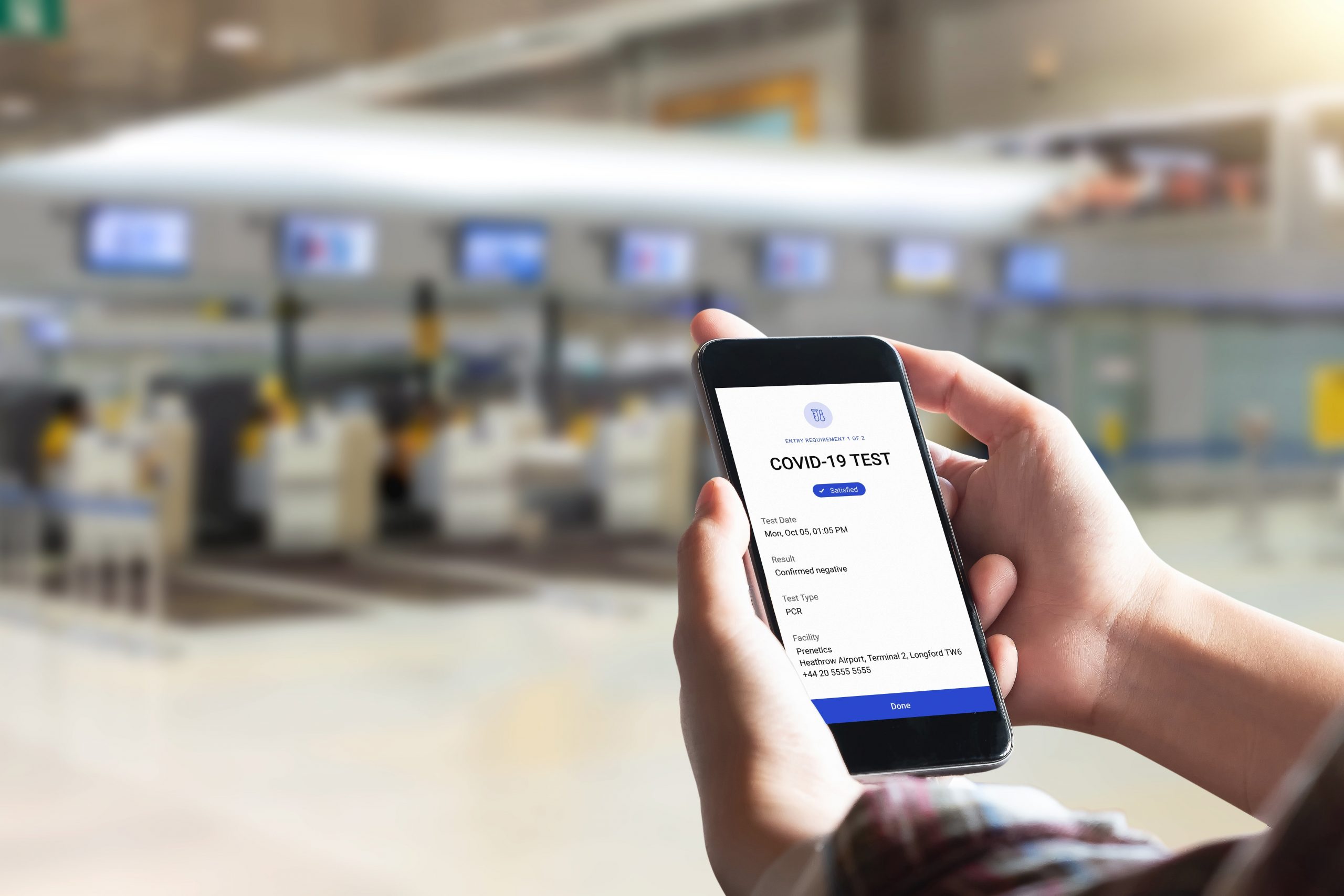
COVID-19 test results are already required for entry at some airports and at international borders, and it's likely that confirmation of getting a COVID-19 vaccine will soon follow.
But most patients who have been vaccinated against the virus only get a small piece of paper as proof.
Those papers are easy to lose and highly vulnerable to fraud and counterfeiting, industry stakeholders say. So public and private organizations have turned to the idea of developing digital health passports to help restart global travel.
But, there's a catch there too, experts say. Without agreed-upon standards, different digital health passes risk creating a fragmented system that will only slow down efforts to bring travel back safely.
"You might show up at the airport trying to prove your recent COVID test result or vaccination certificate, and you pull up an app that is not recognized, and now you're scrambling to figure out how to get on the plane," said Dakota Gruener, executive director of ID2020, an organization which advocates for digital IDs.
Lire l'article complet sur : www.fiercehealthcare.com
Financé en partie par l'Europe, le projet Cordial-IT combine tests salivaires et lecteur branché sur smartphone pour délivrer un diagnostic en quelques minutes. L'échantillon est analys
Lire l'article complet sur : www.futura-sciences.com
Gestion des deux injections, hotlines prises d’assaut, retard de livraison… Les plateformes de prises de rendez-vous sont au coeur du dispositif logistique de la campagne vaccinale.Maiia et Doctolib expliquent comment elles s'organisent. ...
Lire l'article complet sur : www.ladn.eu
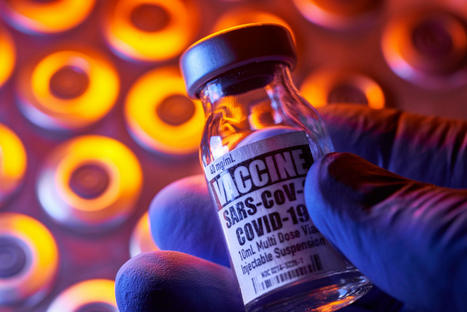
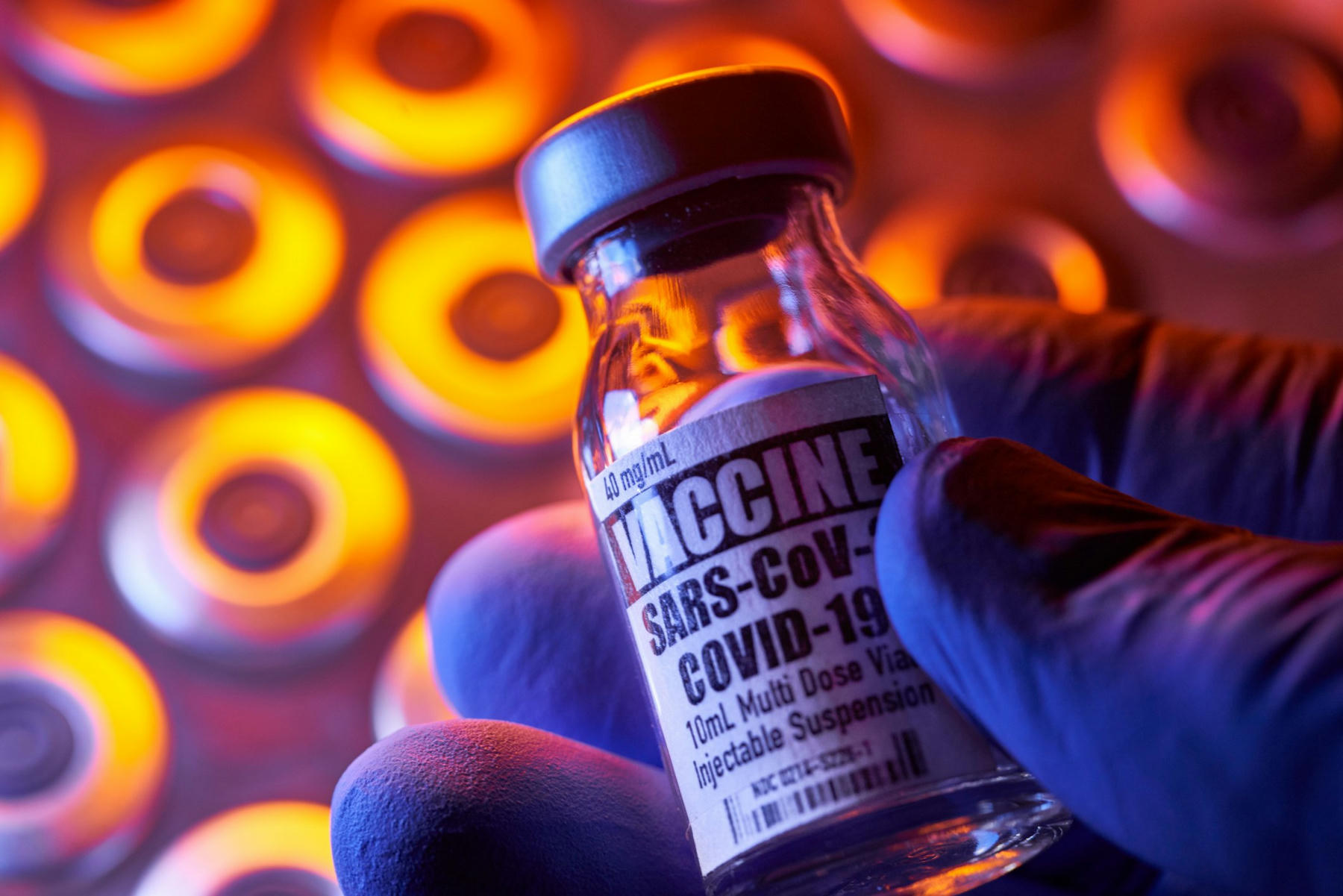
Has the vaccine hesitancy tide turned into a wave of vaccine excitement? Possibly. A new W2O Group study using search and social data found that 80% of Americans are likely willing to get vaccinated.
However, vaccine makers still have their work cut out for them—especially among certain groups of people—and messaging will be critical, W2O Chief Data Officer Seth Duncan said.
Out of four groups of people established for the study, many of those who aren’t inclined to get vaccinated are politically right-leaning. Among the group—defined as those who follow at least three right-leaning politicians, journalists or news outlets—only 41% show a willingness to get a vaccine. That compares with 95% of center left, 93% of the educated left and 91% of the apolitical groups who are ready to get vaccinated.
The high rate of vaccine stubbornness among the right isn’t about a lack of effectiveness or safety—only 9% overall suggest safety is an issue. It actually has more to do with the perception that they’re being told what to do. The No. 1 reason not to get vaccinated across all groups was freedom of choice.
Among the about 60% of right-leaning people who are disinclined to get a vaccine, “they don’t want to take it because they don’t want to be sheep,” Duncan said. “Their overwhelming attitude is there’s some sort of government oppression and it’s anti-American to get the vaccine.”
Lire l'article complet sur : www.fiercepharma.com