

Pharmageek


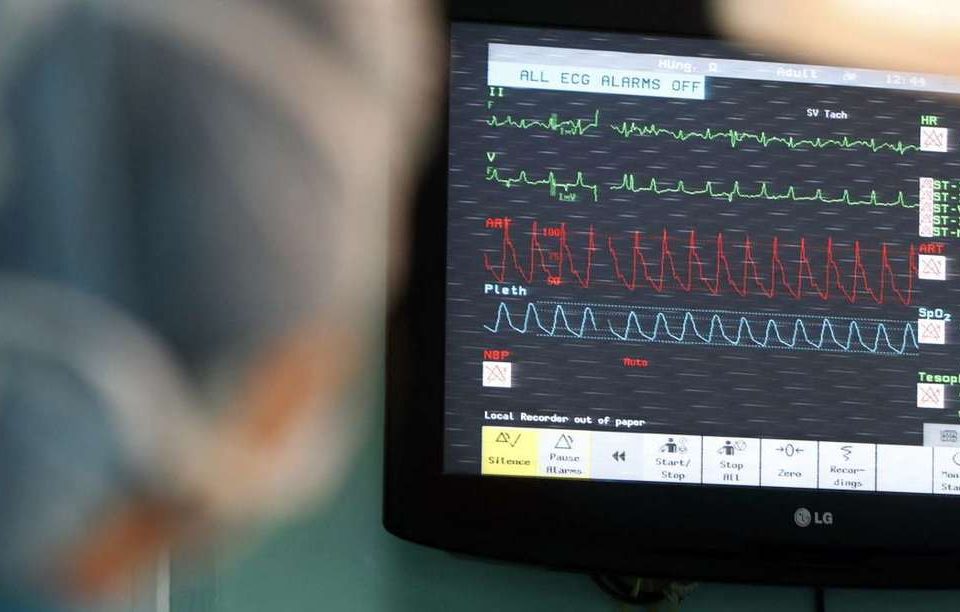
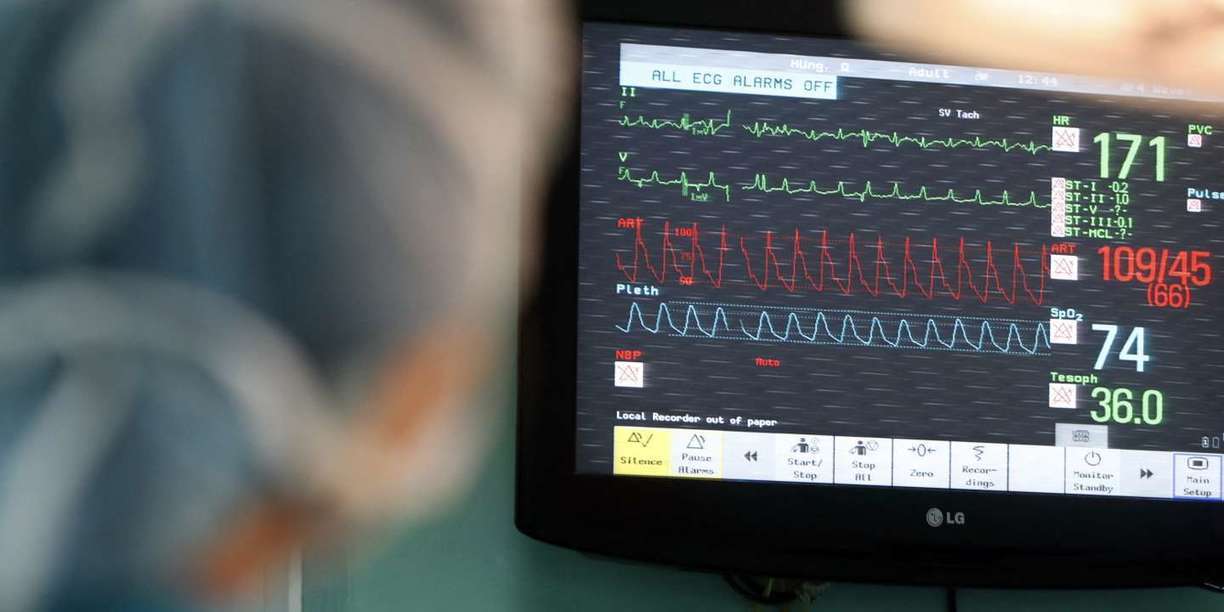
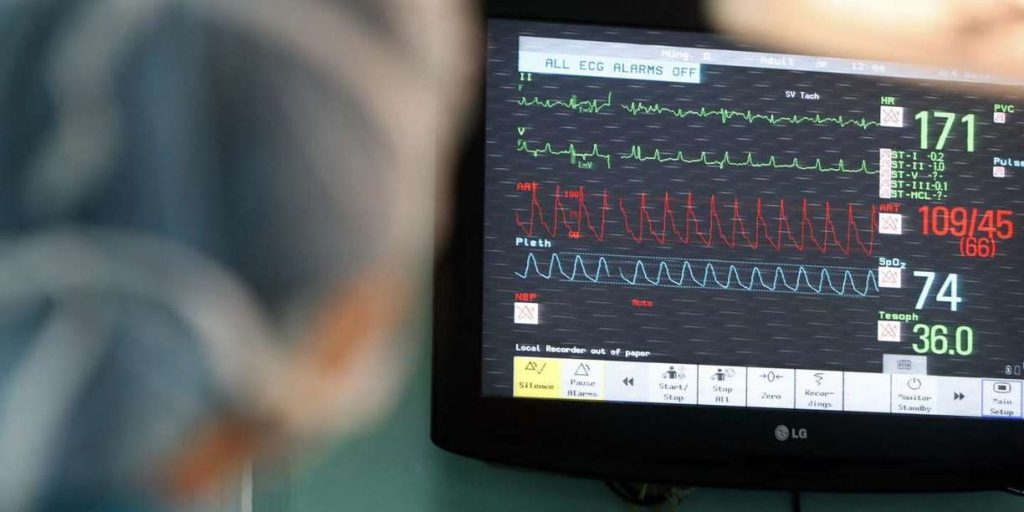
Au cœur de la réponse hospitalière à l’épidémie de Covid-19, les services de réanimation ont une organisation spécifique, qui en font des unités très spéciales.
Lire l'article complet sur : www.lemonde.fr


MIT researchers have developed an artificial intelligence tool that listens to a person's coughing to determine whether or not they may have COVID-19, regardless if they are or are not symptomatic, according to research published last week in IEEE Open Journal of Engineering.
To build it, the researchers solicited audio recordings of individuals coughing and accompanying information about their condition through an opening online website. This effort yielded a dataset of more than 70,000 recordings containing an average of three coughs per subject – and an estimated 2,660 subjects with a positive case, to date.
Using these COVID-19 cough recordings and an equal number of COVID-19 negative samples randomly selected from the dataset (n = 5,320), the researchers developed, trained and validated a convolutional neural network-based model that listens for specific acoustic biomarkers related to muscular degradation, vocal cord changes, sentiment or mood changes, and changes in the lungs or respiratory tract.
Lire l'article complet sur : www.mobihealthnews.com



Terr-eSanté se dote du module eCOVID de surveillance à distance et de sortie d’hospitalisation De nouvelles fonctionnalités de télésuivi ont été intégrées en quelques jours seulement à une solution numérique déjà très complète. Depuis le début de la crise sanitaire, ce dispositif répond aux besoins des franciliens touchés par le COVID19 : Il permet le suivi à […]
Source: www.sesan.fr