
Pharmageek
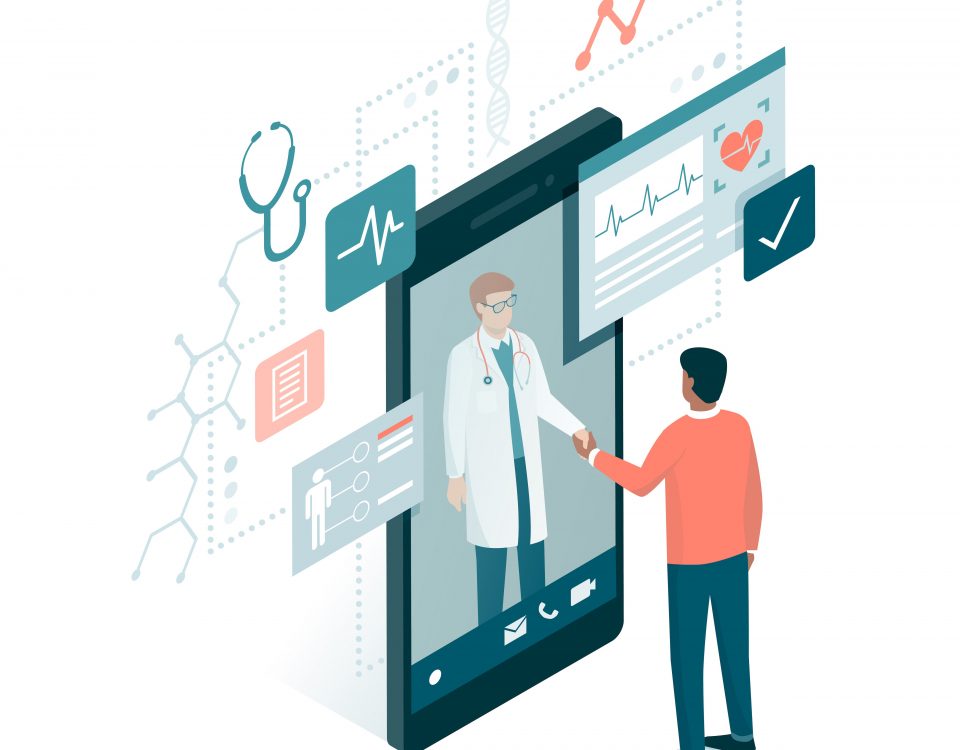
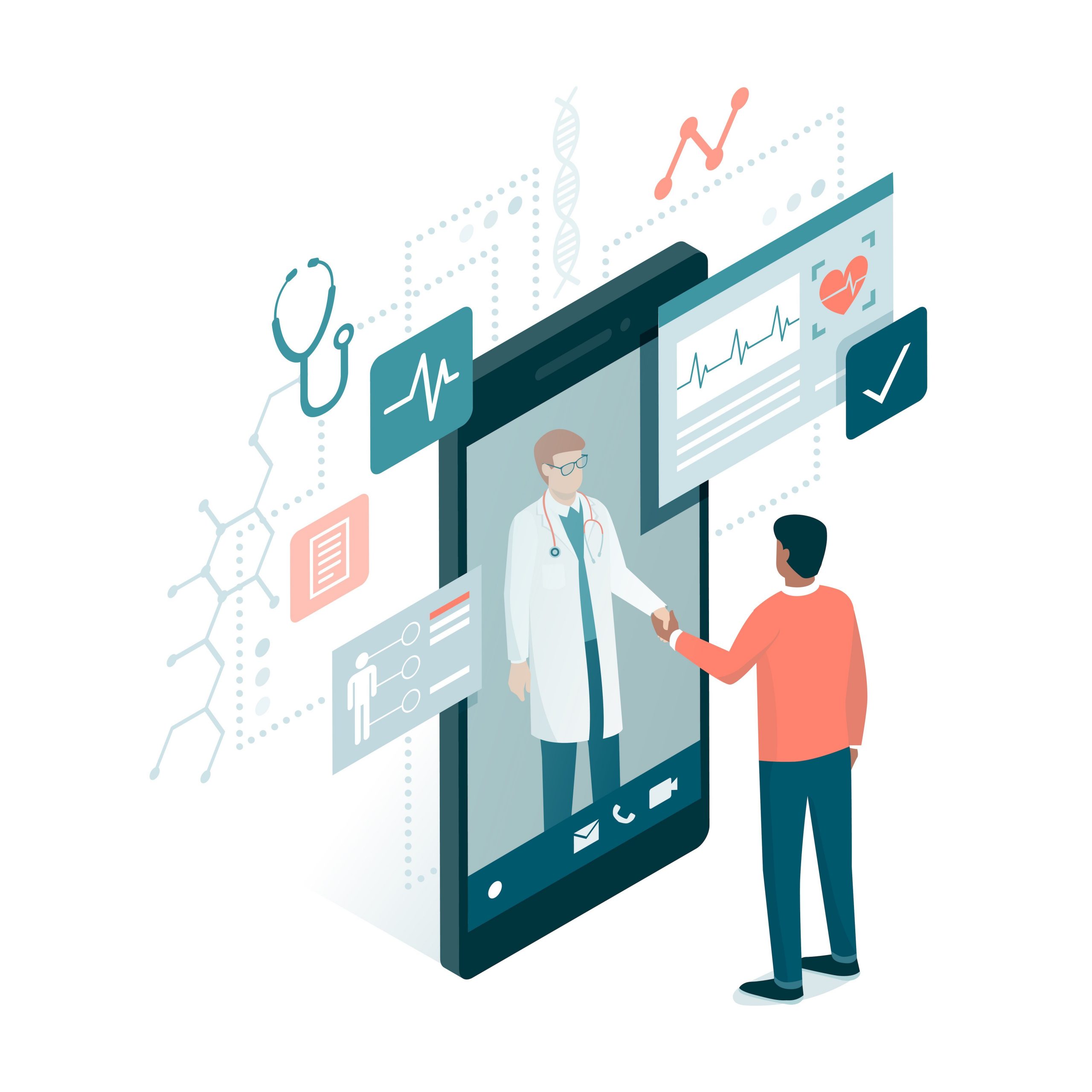
Fifteen digital health startups are set to join a 2022 national accelerator program sponsored by the HHS, which aims to tackle health inequities exacerbated by COVID-19.
Lire l'article complet sur : www.fiercehealthcare.com


Machine learning algorithms provide a way to detect misinformation based on writing style and how articles are shared. On topics as varied as climate change and the safety of vaccines, you will find a wave of misinformation all over social media. Trust in conventional news sources may seem lower than ever, but researchers are working on ways to give people more insight on whether they can believe what they read. Researchers have been testing artificial intelligence (AI) tools that could help filter legitimate news. But how trustworthy is AI when it comes to stopping the spread of misinformation?
Researchers at the Rensselaer Polytechnic Institute (RPI) and the University of Tennessee collaborated to study the role of AI in helping people identify whether the news they’re reading is legitimate or not. The research paper, “Tailoring Heuristics and Timing AI Interventions for Supporting News Veracity Assessments,” was published in Computers in Human Behavior Reports. It discussed how crowdsourcing marketplace Amazon Mechanical Turk (AMT) can be used to identify misinformation for fresh news and specific heuristics, which are rules of thumb used to process information and consider its veracity. In other words, heuristics are essentially “shortcuts for decisions,” explained Dorit Nevo, an associate professor at RPI’s Lally School of Management and a lead author for the paper.
The study found that AI would be successful in flagging false stories only if the reader did not already have an opinion on the topic, Nevo said. When study subjects were set in their beliefs, confirmation bias kept them from reassessing their views.
Lire l'article complet sur : spectrum.ieee.org
La start-up rennaise Biosency propose aux patients atteints du Covid-19 dans la Meuse son bracelet médical connecté pour mesurer leurs constantes à domicile, et en particulier le taux d'oxygène dans le sang. Les données, hébergées en France, sont transmises au personnel médical via une plateforme dédiée. L'objectif est de réduire les durées de séjour à l'hôpital pour libérer des lits en pleine cinquième vague.
Lire l'article complet sur : www.usine-digitale.fr