

Pharmageek


Quid des changements structurels : moyens pour l’hôpital public, lutte contre la pollution, prévention des maladies environnementales ? Contre le Covid, le gouvernement a préféré tout miser sur la vaccination et le traçage numérique, rage notre chroniqueuse. Pour le bonheur des tenants des industriels de l’e-santé, de l’intelligence artificielle et de la big data.
Celia Izoard, journaliste et membre de la revue Z, a fait des études de philosophie et traduit des ouvrages critiques de la technologie (...)
Lire l'article complet sur : reporterre.net
The objective of the Compendium is to compile and showcase emerging innovative health technologies for low-resource settings. WHO performs rapid evidence-based assessments focused on the life cycle of health technology focusing on low-resource settings.
Lire l'article complet sur : www.who.int
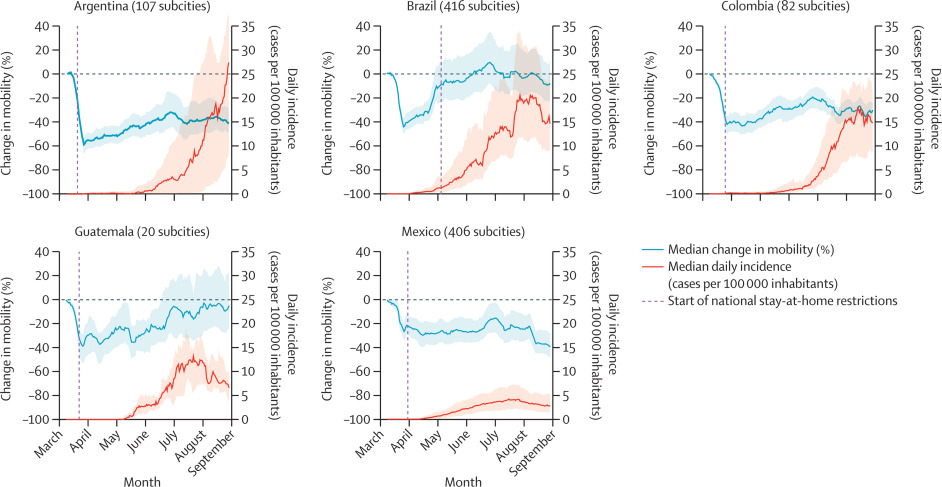
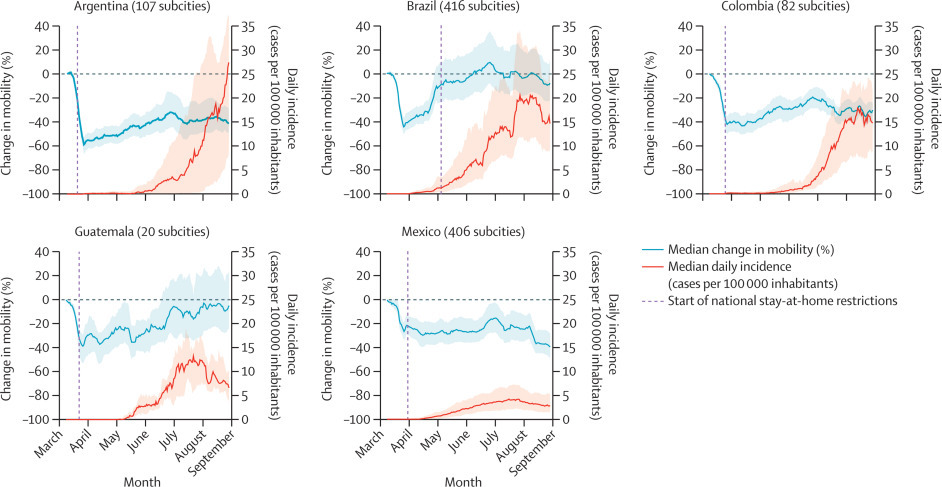
Reduced population movement within a subcity area is associated with a subsequent
decrease in COVID-19 incidence among residents of that subcity area. Policies that
reduce population mobility at the subcity level might be an effective COVID-19 mitigation
strategy, although they should be combined with strategies that mitigate any adverse
social and economic consequences of reduced mobility for the most vulnerable groups.
Lire l'article complet sur : www.thelancet.com
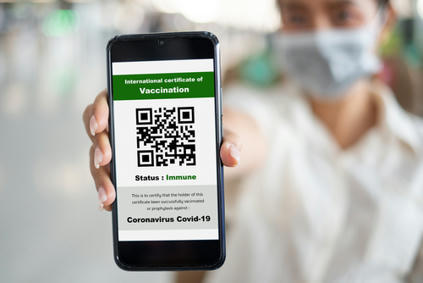

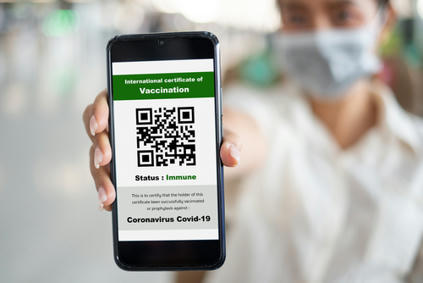
A de rares exceptions près, la plupart des pays européens ont adopté un système de passe sanitaire comparable à celui prévalant en France, limitant l’accès aux lieux publics aux personnes vaccinés ou testés.
Le 1er septembre prochain, tous les Danois pourront se rendre au restaurant, au cinéma ou dans une salle de sport sans avoir à présenter de passe sanitaire. Premier pays européen à avoir introduit ce système le 6 avril dernier, le Danemark est également le premier à l’abroger pour revenir à une vie normale. Alors que près de 72 % de la population danoise est doublement vaccinée, l’un des taux les plus élevés du continent, le gouvernement danois juge que l’épidémie de Covid-19 est « sous contrôle ».
Lire l'article complet sur : www.jim.fr