

Pharmageek
The fast transmission of bad information is dangerous. A new approach employs “infodemiologists” to fight outbreaks.
Infodemiologists will be new public health champions that can be deployed to any infodemic of misinformation. Thinking about misinformation as an infodemic suggests that [misinformation] is communicable—it transmits from one person to another.
How will it work?
First, they will focus on scale by training as many infodemiologists as possible. Taking a cue from the Epidemic Intelligence Service (EIS), the CDC’s model of training a large number of epidemiologists at the state level, who then monitor and report local outbreaks, a cadre of “disease detectives” would be ready to respond to any possible outbreak of bad information when it arises. This isn’t their full-time job. Instead, Critica plans to train infodemiologists within professional scientific societies.
Once they train a critical mass of people able to intervene positively and professionally, their hope is that they will help to elevate society’s discourse on social media. Finally, they plan to develop trust over time, with infodemiologists seen as a consistent presence online who are regarded as trusted public figures in their communities.
“It takes time to build a reputation, especially online, so this isn’t—and shouldn’t be seen as—a flash-in-the-pan solution. This is the start of a long, slow, hard slog out of the pit of misinformation that social media platforms have gotten us into,” says Scales.
With a problem this complex, there is no magic pill to cure misinformation. Instead, with his doctorate in sociology and a medical degree, Scales integrates science with society in a “social ecological model of health” to combat infodemics on three levels.
One is to target individual behaviors, such as our tendency to share clickbait without even reading the article, questioning its accuracy, or taking ownership for endorsing its contents.
Second is to reinforce norms at a community level. “In the circles I run in, posting clickbait or even bringing it up in conversation in a non-ironic way is frowned upon,” Scales says. “In other circles, people posting such attention-getting content on Facebook may get positive reinforcement from their community. So they keep doing it.”
Third is to intervene at the structural level, by adopting laws, policies, and regulations for social media platforms that achieve systemic changes.
Watchdog organizations can play a role—as they already do. Scales’ infodemiologists work in partnership with the Annenberg Public Policy Center, whose surveillance system gives it weekly updates on what and where misinformation is circulating. Not all misinformation goes viral, and when and if it does, it doesn’t always do so immediately, Scales says.
“You don’t want to be debunking misinformation that nobody’s talking about because then all you’re doing is spreading the misinformation,” Scales says. This is something known as the “illusory truth effect,” in which we come to believe false information because it’s repeated again and again.
read the entire post at https://neo.life/2021/06/misinformation-is-a-public-health-crisis-so-lets-treat-it-that-way/
Lire l'article complet sur : neo.life
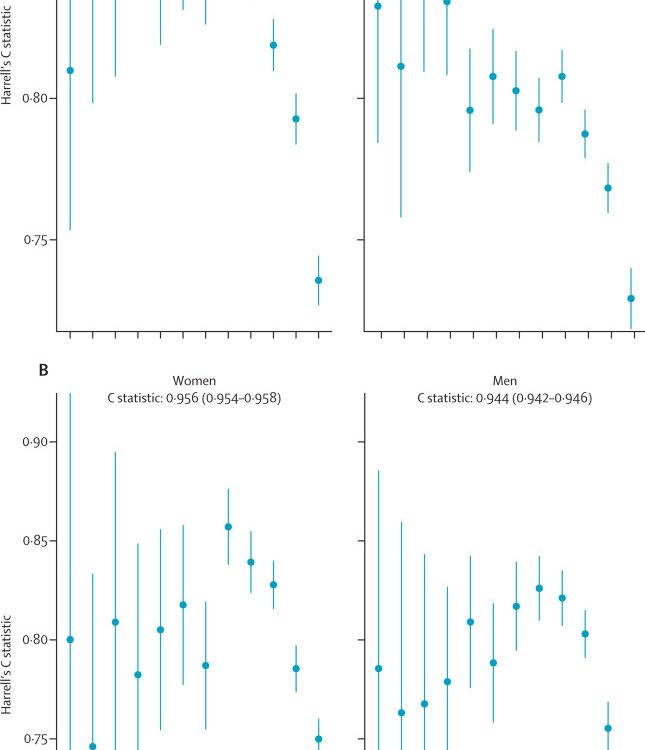

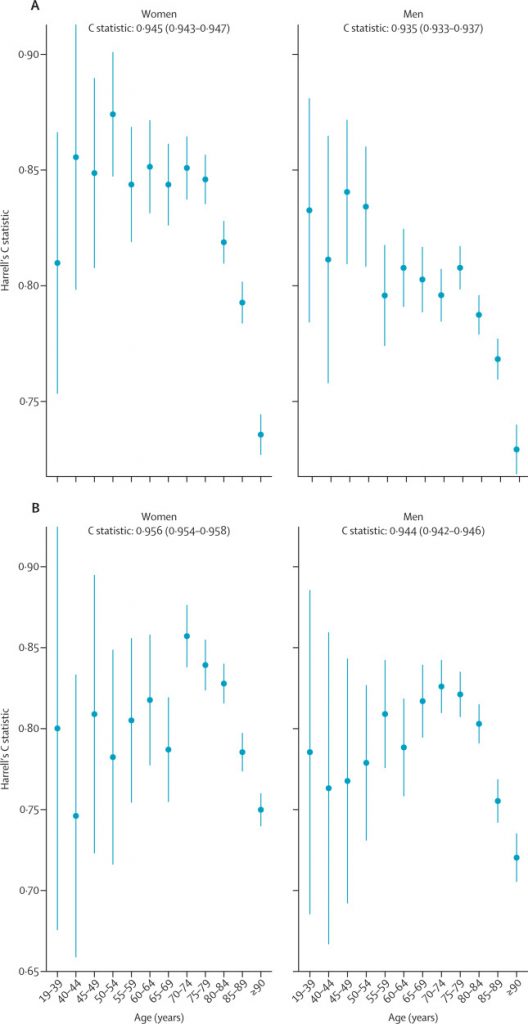
The QCovid population-based risk algorithm performed well, showing high levels of
discrimination for COVID-19 deaths in men and women for both time periods. QCovid
has the potential to be dynamically updated as the pandemic evolves and, therefore,
has potential use in guiding national policy.
Lire l'article complet sur : www.thelancet.com
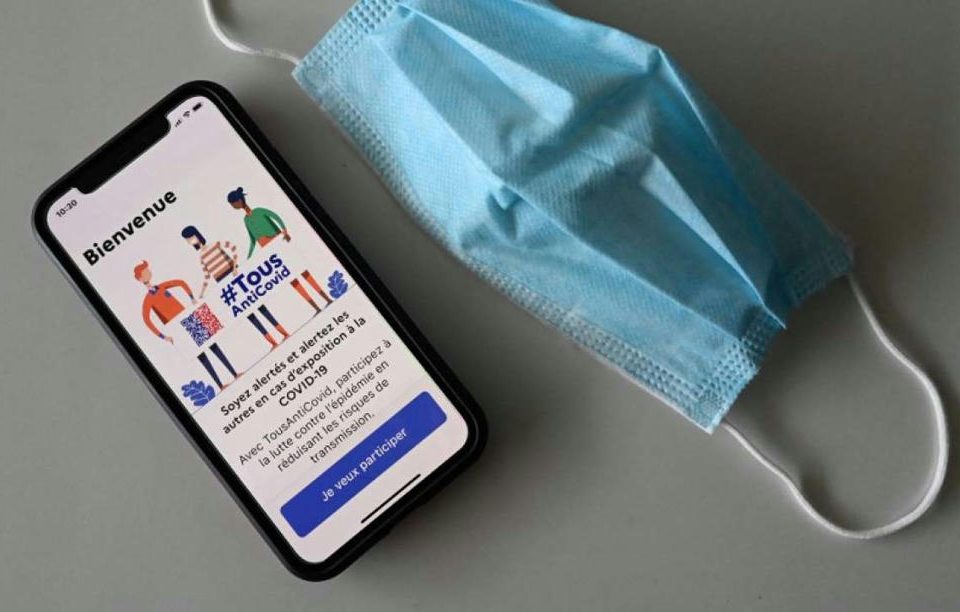
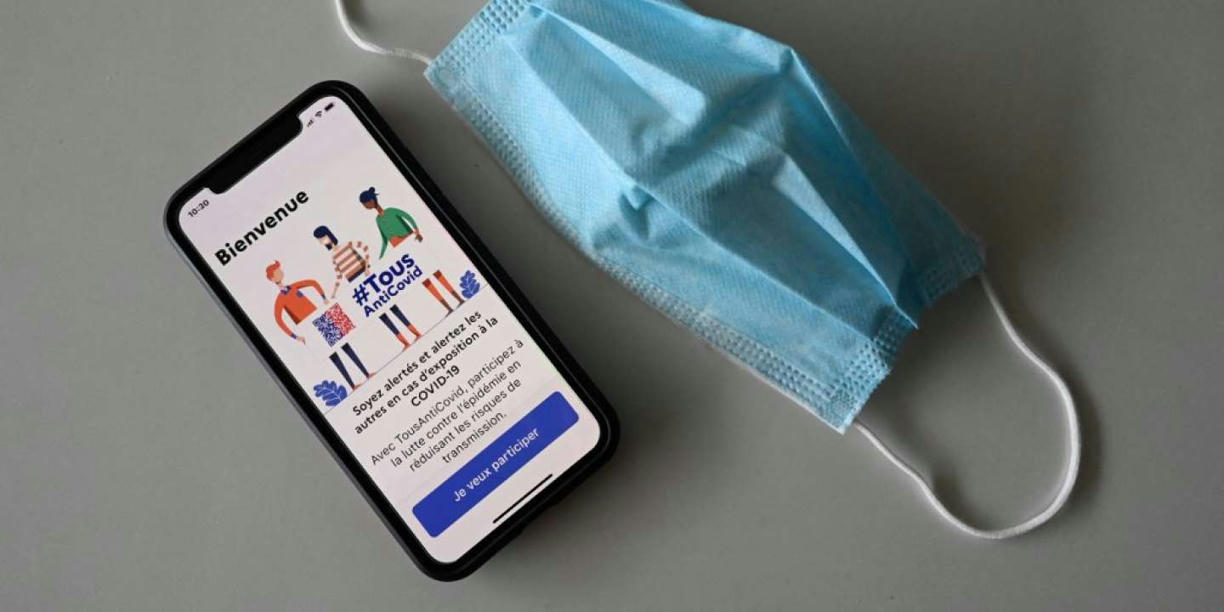
L’accès aux informations sur les tests et la vaccination est restreint dans l’application officielle de vérification, lancée mercredi en France. Mais celle-ci peut-être contournée.
Lire l'article complet sur : www.lemonde.fr

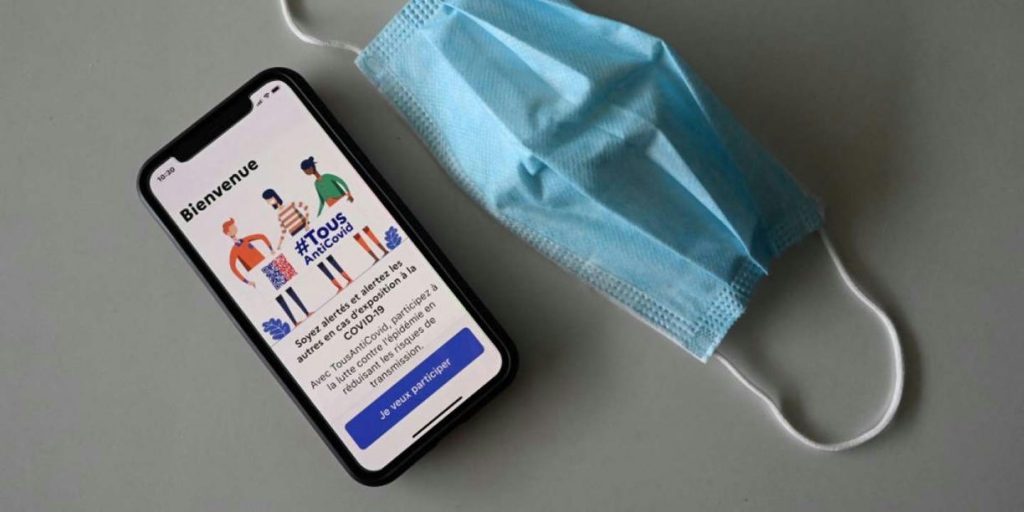

La conférence européenne sur la santé HIMSS21 & Health 2.0, qui s’est tenue en ligne du 7 au 9 juin, a permis de
Lire l'article complet sur : www.egora.fr