

Pharmageek


Pharmaceutical manufacturers and the US Centers for Disease Control and Prevention
rely on mobile phone apps and adverse event reporting websites as the primary means
of active surveillance from patients for COVID-19 vaccines.1 However, digital tools
for side-effect surveillance emphasise data collection over providing user feedback,
and public misperceptions might influence what is reported and the causal attributions.
Preliminary evidence shows that traditional fact-checking approaches to side-effect
misinformation can backfire by establishing unsound causal connections; when submitted
to health authorities, plausible reports of biological harm might be dismissed if
they are tinged with misperceptions.
Lire l'article complet sur : www.thelancet.com
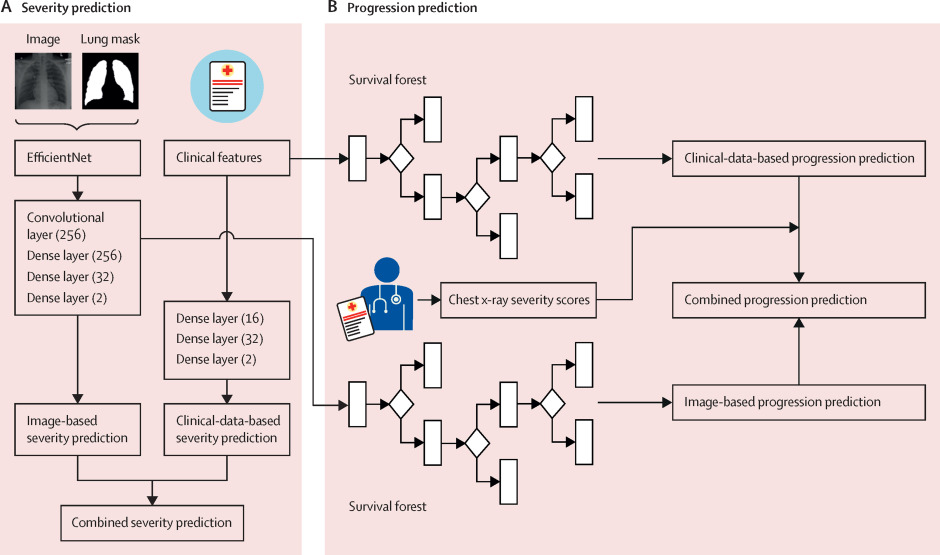
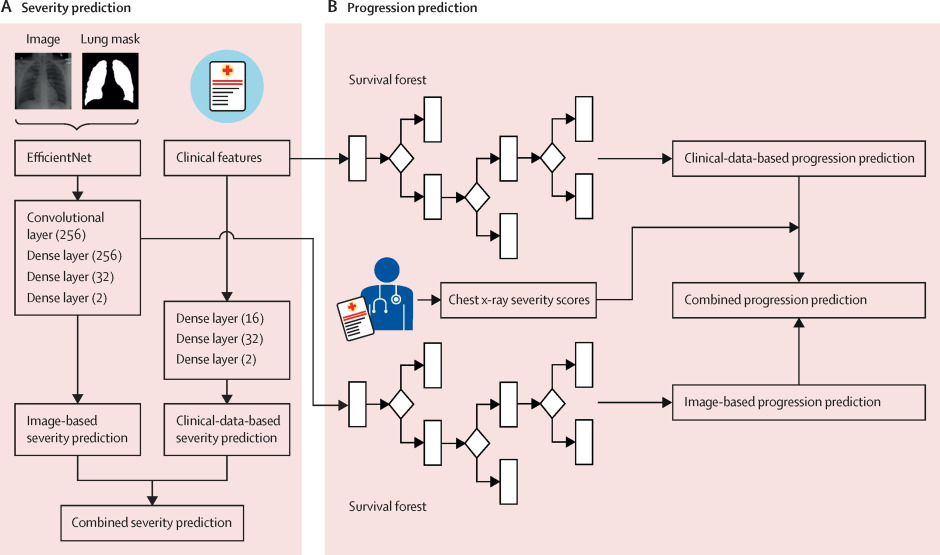
In patients with COVID-19, artificial intelligence based on chest x-rays had better
prognostic performance than clinical data or radiologist-derived severity scores.
Using artificial intelligence, chest x-rays can augment clinical data in predicting
the risk of progression to critical illness in patients with COVID-19.
Lire l'article complet sur : www.thelancet.com


Paris, le mardi 20 avril 2021 - « Messieurs les Français, tirez les premiers ». Lundi 19 avril, la France est devenue le premier pays européen à adopter le modèle de certification électronique des tests de dépistage et d’attestation de vaccination contre la Covid-19.
Mis en œuvre par le biais de de [...]
Lire l'article complet sur : www.jim.fr



U.S. policymakers have spent trillions of dollars to mitigate the effects of Covid-19. But the answer to preventing the next pandemic altogether lies elsewhere.
Lire l'article complet sur : politico.com